Enquire Now :- +91 9152000408 / Reservation Desk :- +919967549005 Email :- sales@pinakisharedlive.com

5 Reasons Students Prefer Living Near NMIMS in Vile Parle West
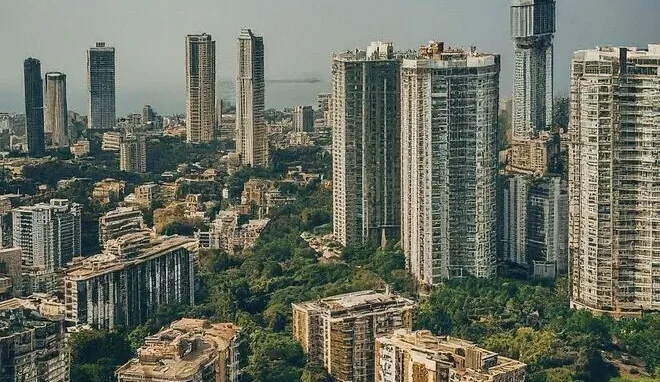
Welcome to Mumbai, a vibrant city that many people dream of! Mumbai, known for its colorful culture, historic landmarks, and throbbing nightlife, is both a tourist destination and a popular residential area. Understandably, getting into the property market and understanding the cost of living is critical for anyone considering relocating or who is simply curious about the cost of living. In this blog post, we’ll look at the typical rent, housing market dynamics, and other necessary living expenses in Mumbai to offer you a full understanding of what it takes to call this city home. Prepare to discover the heartbeat of India’s financial and entertainment capital!
Factors influencing rent prices
Several significant factors influence rent pricing in Mumbai. For starters, location continues to be an important factor. South Mumbai properties, where luxury and heritage coexist, attract greater rents than those in the north. Second, the proximity to business districts like Lower Parel, Andheri, and Vile Parle drives up rental costs due to high demand among business people. Infrastructure improvements, such as Metro line expansions and coastal highways, also raise property prices in connected areas. Furthermore, the quantity of amenities provided—whether in gated communities or isolated buildings—influences renters’ willingness to spend
Popular residential areas in Mumbai
Mumbai has a diverse range of residential districts that cater to both the affluent and the middle classes. Celebrities and business tycoons frequently rent high-end residences and mansions in South Mumbai neighbourhoods like Malabar Hill, Cuffe Parade, and Altamount Road. Suburbs like Andheri, Bandra, and Powai, on the other hand, are popular among the middle class and expats because they combine modernism and historic charm at a lesser cost. These neighbourhoods, known for their active nightlife and crowded cafes, also provide a wealth of amenities that make city life easier and more enjoyable.
Average Rent in Mumbai
Navigating Mumbai’s rental sector offers a diverse range of housing options that cater to a variety of tastes and budgets. The ever-changing city welcomes everyone, from students and single professionals to huge families and expats.
Rental trends in different neighborhoods
The diversity of Mumbai’s neighborhoods is reflected in the rental trends. South Mumbai, with its old-world beauty and upscale amenities, is routinely ranked as the most expensive place to live. In contrast, the Western Suburbs, such as Goregaon and Borivali, have more moderate rents, making them suitable for middle-income families and professionals. The growth of Navi Mumbai has resulted in more cheap rental possibilities with good access to the main metropolis, ideal for individuals who are willing to commute. Rents have recently risen in regions touched by infrastructure projects such as the Metro expansion, with the expectation of increased accessibility and better lifestyle options.
Comparison with national average rent prices
When compared to other major cities in India, Mumbai’s rent is high. For example, the rent for a one-bedroom apartment in Mumbai’s city center is nearly double that in Bangalore or Pune and much higher than in Delhi. This premium reflects Mumbai’s prominence as an economic powerhouse as well as the strong demand for living space in a city with limited regional development potential. However, this makes Mumbai less affordable for many people, affecting the city’s demographics and socioeconomic structure.
Mumbai’s housing market is as diversified as its population, offering something for everyone, albeit at varying prices. Living in Mumbai can be expensive, but many people believe it is worth it for the liveliness and opportunity the city provides.
Cost of Living in Mumbai
Mumbai is a city of aspirations that attracts people from all across the country and around the world. With its rich culture, dynamic commercial prospects, and breathtaking coastline, it’s no surprise that many people are drawn here. However, understanding the cost of living is critical for anyone thinking about moving to this city.
Breakdown of monthly living expenses
Mumbai is a city of aspirations that attracts peop
Living prices in Mumbai might vary greatly based on your lifestyle, preferences, and the neighborhood where you choose to live. Monthly expenses for a single individual might vary from low to large. Here is a quick snapshot:
- Home-cooked meals are the economical alternative, but if you love dining out, a lunch at an affordable restaurant costs roughly ₹300, while a three-course meal at a mid-range restaurant costs around ₹1,500.
- Mumbai’s public transportation system is both large and affordable. A monthly pass for buses or local trains can cost between ₹250 and ₹800. If you desire more comfort, cabs and ride-sharing services are widely available but substantially more expensive.
- A small flat should expect a monthly payment of ₹2,000–₹4,000 for essential utilities such as electricity, heating, cooling, water, and rubbish service. Internet memberships cost an additional ₹600–₹1,200, depending on speed and usage restrictions.
le from all across the country and around the world. With its rich culture, dynamic commercial prospects, and breathtaking coastline, it’s no surprise that many people are drawn here. However, understanding the cost of living is critical for anyone thinking about moving to this city.
Comparison with other major cities in India
When compared to other big cities, Mumbai is clearly on the higher end of the expense scale. For example, renting a home in Mumbai is significantly more expensive than in areas like Bangalore and Pune. However, compared to Delhi, another important economic hub, Mumbai’s rental prices are somewhat competitive, but utilities and groceries are more expensive. While Kolkata and Chennai have a lower cost of living, they may not be able to compete with Mumbai’s active job economy and lifestyle.
Tips for budgeting in Mumbai
Rent and everyday living expenses account for a significant portion of one’s salary in Mumbai, frequently deciding the lifestyle one can afford. For example, higher-rent regions typically have better access to facilities such as foreign schools, luxury shopping, and gourmet dining, resulting in a higher quality of life. On the other hand, living in more affordable places may result in longer commutes and fewer frills, but it also affords an opportunity to save or invest excess cash.
Balancing cost with lifestyle choices
Making Mumbai your home means mastering the art of balancing cost and lifestyle:
- Choosing the right size and location can have a big impact on your budget and lifestyle.
- It’s critical to prioritize your spending—whether it’s for rent, food, savings, or leisure activities.
- Setting aside money for unexpected bills, investments, and savings is critical, especially in a volatile financial environment like Mumbai.
Whether it’s choosing the ideal neighborhood to reside in, deciding on a mode of transportation, or budgeting for leisure, each decision will have an impact on your financial health and lifestyle in Mumbai. Understanding these distinctions is essential for getting the most out of living in this lively metropolis.
Conclusion
Welcome to India’s busy financial and entertainment center, Mumbai! Life here is fast-paced and never boring. As we’ve seen, the cost of living in Mumbai can be extremely costly, particularly in terms of lodging. However, the city has a variety of living options that may accommodate a wide range of budgets. Understanding the diverse rental markets, which range from premium flats in South Mumbai to more cheap accommodation in the outskirts, is critical. To make an informed decision, always consider the proximity to work, schools, and other vital facilities. Embrace Mumbai’s challenge and charm, as it is a city that truly rewards those who immerse themselves in its dynamic rhythms.
Other Articles
-
Why Lower Parel is One of Mumbai's Best Places to Stay for Students and Working Professionals
-
Finding the Right PG in Dadar: A Practical Guide for Students and Working Professionals
-
5 Reasons Students Prefer Living Near NMIMS in Vile Parle West
-
5 Things to Check Before Choosing a PG in Mumbai
-
Affordable PG Options for Working Professionals in Vile Parle and Andheri
-
Top PGs Near Mithibai & NMIMS College – Why Pinaki Shared Live is Your Best Choice
-
PG and Co-living Options in Mumbai: Budget-friendly & Premium Spaces
-
The Story of Lower Parel: Mumbai’s Journey from Cotton Mills to Culture Hub
-
What is the Future of Co-living Space in Mumbai?
-
Why Newcomers Prefer Managed Shared Living Spaces
-
Best Student PG in Mumbai Near Juhu & Vile Parle
-
Shared Accommodation vs Renting a Flat Alone in Mumbai: Pros & Cons
-
Creating the Ultimate Student Experience – The Benefits of Students’ Co-living Services
-
Pinaki Shared Live: Best PG for Male in Andheri West with Comfort & Convenience
-
PG in Andheri West : Co-Living and Mental health benefits
-
PG for Working Professionals – Comfort Meets Convenience
-
Best Coliving PG in Mumbai – A Smarter Way to Live
-
Why Pinaki Shared Live is the Best PG in Andheri West for Female Living
-
The Social Benefits of Shared Living: Making Friends and Building Connection
-
How Co-Living Spaces Are Changing the Way Millennials Live in Mumbai
-
Discovering Your Home Away From Home: Andheri West’s Greatest Ladies PG
-
The Greatest Student PG in Vile Parle: Boost Your Academic Performance and Social Life
-
Embracing Mumbai’s Dynamic Life: Why Pinaki Shared Live Is the Ideal PG
-
Best Co-Living Spaces in Mumbai Andheri West – Comfort & Community
-
Premium PG in Lower Parel, Mumbai – Safe & Budget-Friendly